 Español
 English
The question reached our work meetings within days. With OpenAI opening its Ads Manager on July 22, 2026 and the new per-brand conversational agent format confirmed at the end of the month, many advertisers' gut reaction was the same: "if ChatGPT now has ads, does my organic work to appear there stop being useful?"
Short answer: no, but its role changes. The long answer is worth reading because the advertising model OpenAI built is different from what we've seen in traditional search engines.
What OpenAI launched in recent weeks
Two concrete milestones, in under two weeks:
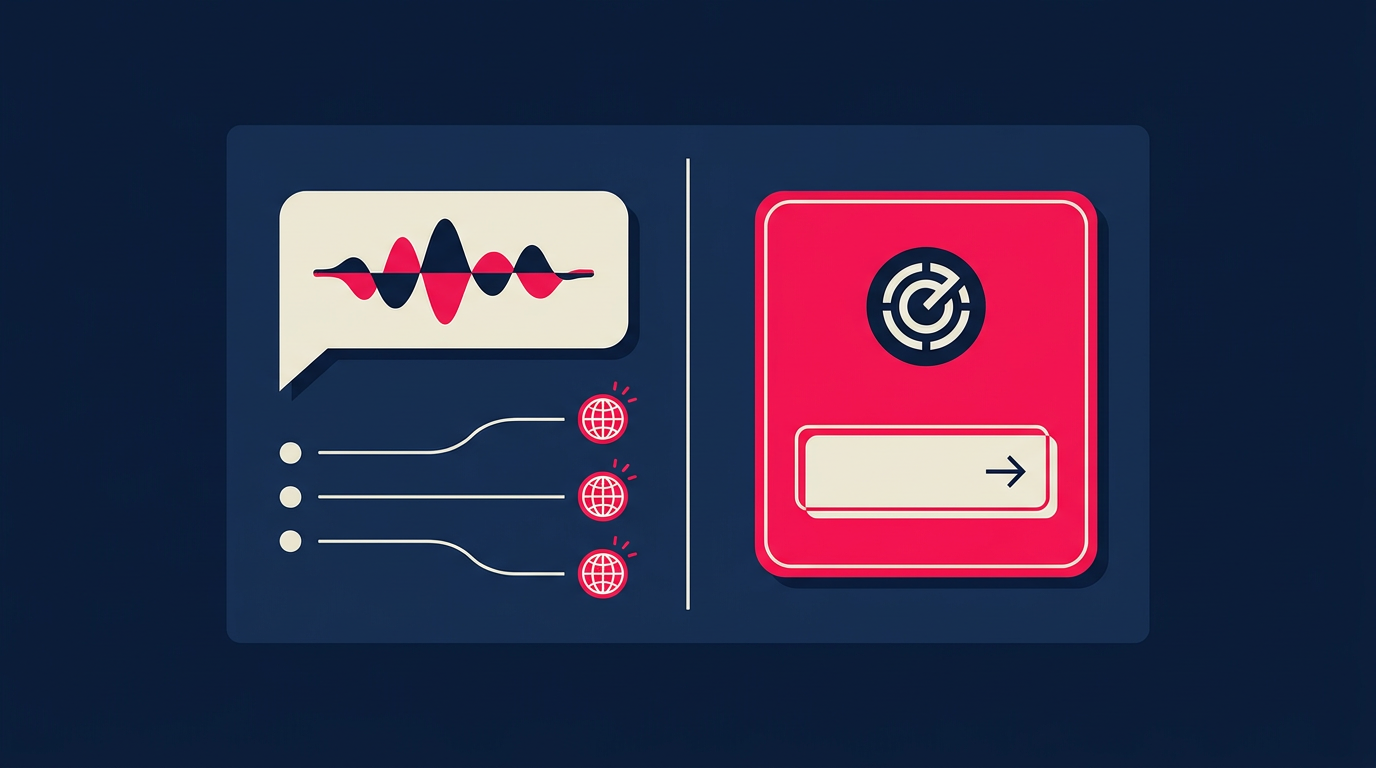
- July 22, 2026 — ChatGPT's Ads Manager opened in self-serve mode. Advertisers can build campaigns, set budgets and target by conversational context — the topic and intent of the conversation — not by keyword like Google Ads. It's the first time OpenAI offers this without a custom integration.
- July 31, 2026 — New format: "Business Agent Conversation." Instead of sending you to a website, the ad opens a conversation with the brand's own AI agent, trained on its public information to answer questions, show products and capture leads.
The second point is what breaks the mental model of advertising we had. It's not a banner or a sponsored link: it's a paid conversational experience inside the same surface where the user is already asking.
How the "business agent" works (in plain terms)
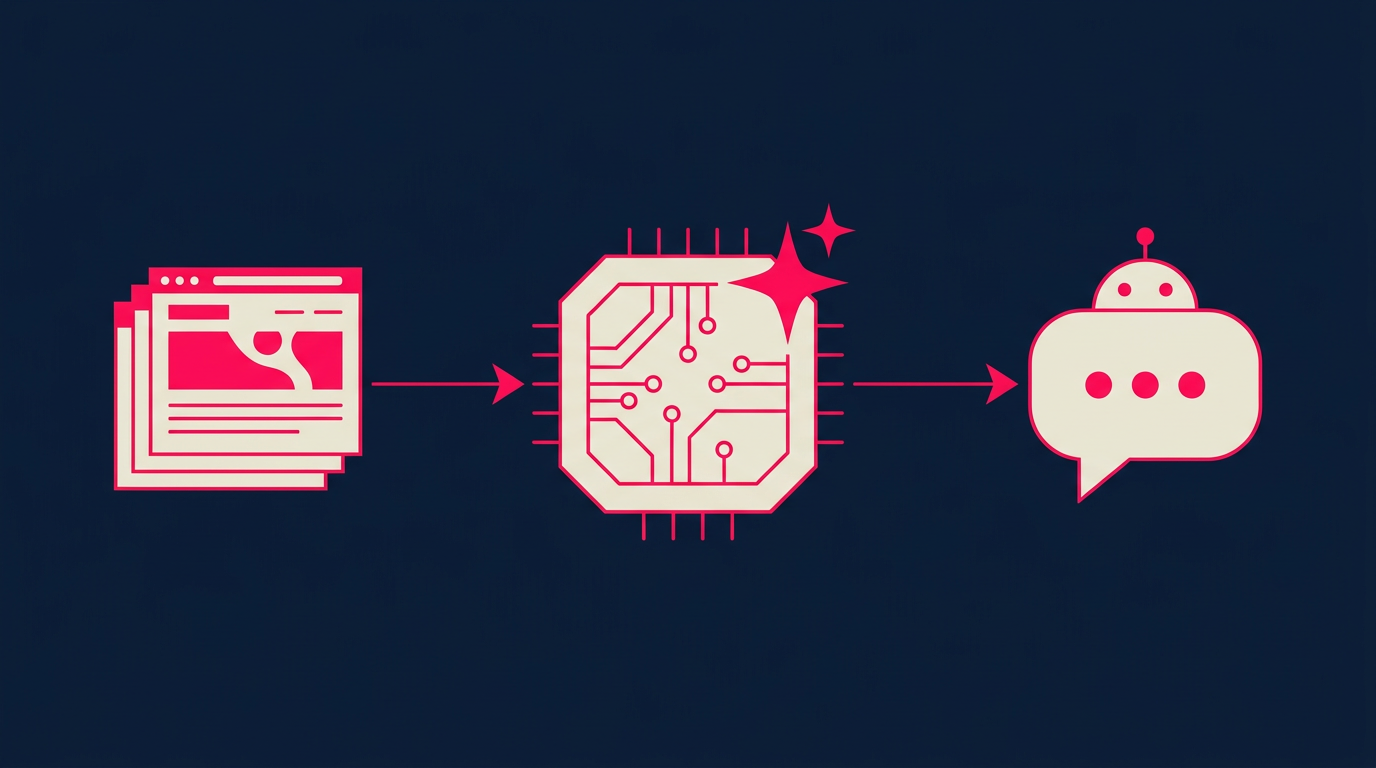
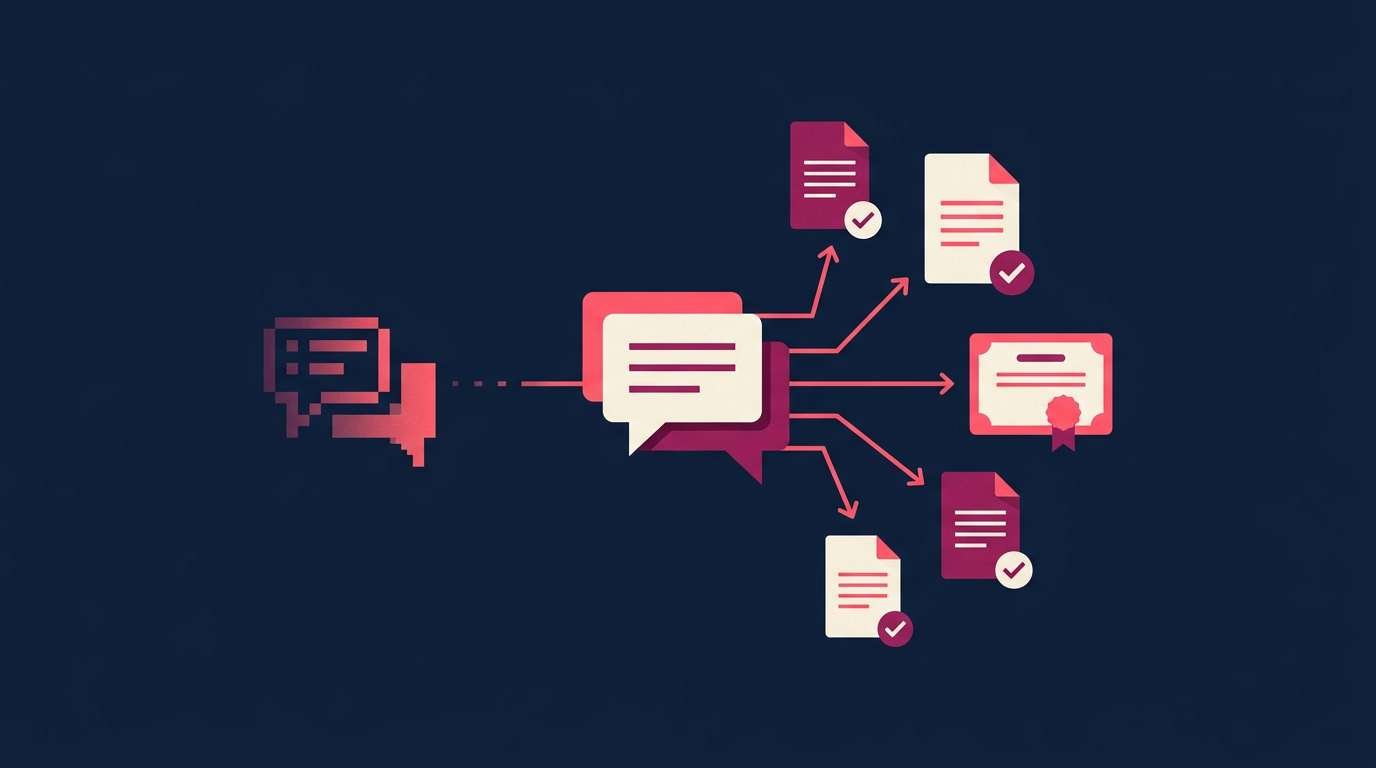
OpenAI crawls the brand's site — FAQs, catalog, guides, policies — and automatically builds a business profile. That profile feeds a conversational agent that can answer frequent questions, show relevant products and route leads to a CRM. The first cases cited by OpenAI include Best Buy, Lowe's and VistaPrint, all businesses with broad catalogs and repeated questions — where the agent pays off from the start.
For the user, the experience is this: mid-conversation with ChatGPT about — say — how to pick a microwave, a card appears with a retail brand's logo and a call to "talk to [brand]'s assistant." If they accept, they keep chatting but now inside the brand's commercial agent.
What doesn't change (yet) about organic
Here it's worth slowing the wave. The fact that ads exist in ChatGPT does not remove the list of sources AI cites when it answers. Organic answers are still there, with their citations, their links and their selection logic based on extractability and proof — what we covered in detail when we analyzed why ChatGPT cites your competitor and not you.
What changes is that above, beside or during that organic answer a sponsored card can now also appear. It's the same move Google made with search ads 20 years ago: organic doesn't disappear, it shares space.
And, as happened on Google, each surface of the answer weighs differently:
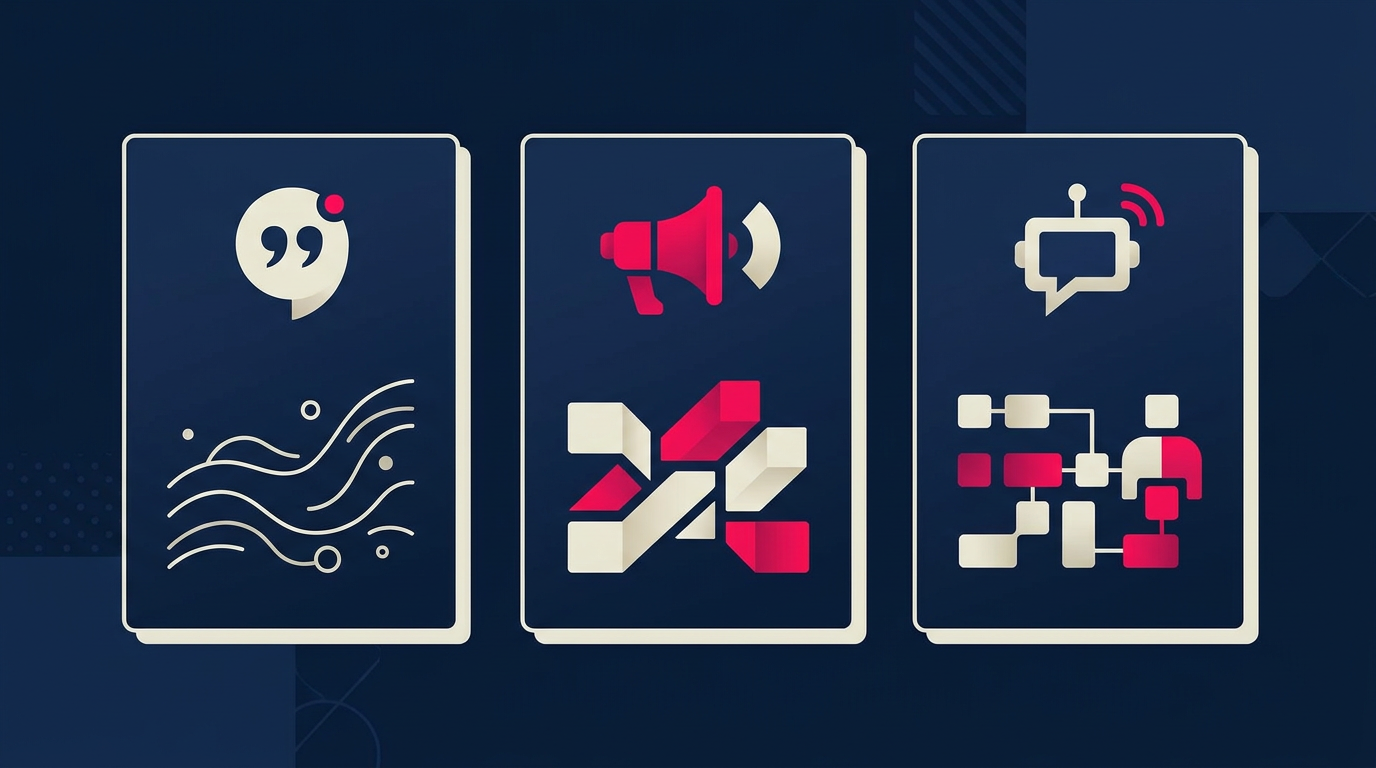
- Organic citation = authority. AI names you as a source, with the reputation effect that brings.
- Sponsored card = direct conversion. The user who clicks is already in buying or specific-question mode.
- Open brand agent = assisted experience. Good for broad catalogs or repeated technical questions.
Each answers a different goal and none replaces the other.
Should your business advertise on ChatGPT today?
It depends on the type of business and the moment. Four practical criteria we're using to decide with clients:
- Volume of relevant conversation. If your category generates many conversations in ChatGPT — tech, health, travel, retail — there's contextual traffic to capture. If your audience rarely asks via chat, the investment pays off less.
- Complexity of the buying decision. The agent format shines when the user needs upfront assistance (technical doubts, comparisons, specs). Impulse or low-ticket purchases don't leverage it.
- Quality of your web content. Since the agent is built from your site, poor content makes a poor agent. Before advertising, get the material that will feed the agent in order.
- Measurement capability. The first months of a new channel are pure noise. If you can't isolate the business impact, you won't be able to justify the investment in the quarter.
Main idea: ChatGPT advertising isn't "SEO but paid." It's a new channel, with its own logic — conversational, not search-intent — that competes for the same space but chases different goals.
The role of organic doesn't drop, it rises
Counterintuitive, but it holds. With more brands fighting for paid space, organic citation becomes scarcer and more valuable. Being one of the sources AI cites organically — without spending a cent — is the only way to appear with earned authority, not bought. And users tell the difference: a recommendation cited as a source weighs differently than a card with a logo.
There's also a concrete asymmetry: organic work also makes the paid agent better. OpenAI builds the agent's profile from the site. Well-structured content, with clear FAQs and concrete data, produces an agent that answers better. A messy site produces an agent that confuses the user.
In practice this means organic and paid don't fight over the budget: they complement each other. Paid gives you accelerated presence; organic gives you authority and sustains the quality of the paid side. Neglecting organic to pour everything into paid ends up costing you on both sides.
How we'd think about it if you start today
A reasonable order for a brand that wants to enter without burning budget:
- Get your web content in order — extractability, direct answers up top, figures with sources. It's the base of both organic and the paid agent.
- Check first how you appear today in ChatGPT without advertising. Before buying traffic, measure earned visibility: use the "Does my website appear in ChatGPT?" guide for a baseline picture.
- Test the agent format in a narrow category — one product, one season, one city. Don't launch 12 campaigns at once.
- Define a real close metric — qualified lead, booking, purchase. Card impressions aren't enough to justify.
- A 6-8 week window before deciding to scale or cut. Conversational formats have a long learning curve.
The bottom line
ChatGPT didn't close the organic door: it added paid neighbors. Being cited as a source is still the hardest asset to buy, and now it's worth more because it competes with ads. The business-agent format is a new channel, not a replacement for AI SEO. The smart strategy combines both: organic for authority and agent quality, ads to accelerate volume on specific segments. And it all rests on the same as always — clear, extractable, backed content.
Frequently asked questions
Can I appear in ChatGPT without paying? Yes. Organic citation still works and OpenAI announced no change there. Ads add surface, they don't replace the source list.
Do I need my own agent to advertise on ChatGPT? Not in every format. The Ads Manager allows simpler formats — sponsored cards and answers. The conversational agent is a specific format worth it if you have a catalog or repeated technical questions.
How much does it cost? It's a bidding model, with a daily budget set by the advertiser — like Google Ads or Meta. Early public benchmarks show low cost per assisted conversation in sparse categories and higher in tech and travel.
Is it useful for small businesses? It can be, but with caution. The agent format's complexity demands already-ordered content; without that, any dollar invested pays off little. For a small business, the first step is usually to work organic visibility and only then evaluate ads.
Want to appear in ChatGPT with earned authority, not just ads? Book a meeting with Seotronix.